

I read the news this week of the EU’s planned rules to compel airlines to include a 7kg free cabin bag and a personal item in their headline fares – with passengers able to potentially ‘opt out’ for a discount, rather than the other way around as it works today, where you effectively opt-in.
I wouldn’t consider myself a traditional airline apologist, and have been only too happy over the years to rail against what I’ve considered the steady erosion of the final niceties of air travel; free seat selection, bundled business class fares, a complimentary cup of coffee and a snack on-board, and fare selections that can be understood without a PhD.
But I sat back and, after initially feeling quite positive about the changes, began to feel less and less so. In fact, the more I think about it, this change feels silly on so many levels. Here’s why I think changing the rules in the EU, now, to inclue a free 7kg cabin bag doesn’t make sense, won’t work well, and will actually be quite confusing for a not insignificant amount of passengers.
It’s Too Late – And Airlines Won’t Just Abandon The Revenue
This rule should’ve been introduced about a decade ago. We’ve reached a point now where this transaction has become widely expected, if not accepted. Yes, we still see the sob stories of oversized luggage being charged at the gate, and yes, Ryanair in particular hasn’t done themselves any favours with the well-publicised commision for agents catching people out at the gate; but by and large I’d argue most of us understand that having to pay for hand luggage other than a personal item is a thing. This rule shouldn’t been introduced as close as possible to when airlines first started introducing hand baggage charges, when it was new and so many were being caught out unaware.
At the same time, airlines make significant additional revenue from this charge – they won’t simply ‘make it free’ at a cost to themselves. Instead, expect fares to increase to cover what traditionally would have been the upcharge to include hand luggage, expect the ‘opt-out discount’ to be less than the previous upcharge, and expect extremely rigid and costly enforcement at the gate for any hand baggage a mm, or a gram, out of bounds.
Airplanes Didn’t Grow, Security Lines Aren’t Better Staffed
Think how slammed most flights are for luggage space on-board already, and how often you need to hustle onboard not because you want to sit down any earlier, but because you have a small backpack that is already likely to end up using your legspace – now imagine that a reasonable % of your fellow passengers today aren’t bringing any hand luggage with them. Think how much worse finding stowage space on-board will be when 100% of passengers are entitled to ‘free’ hand luggage. Expect finding overhead space to be even more tricky, boarding times to slow right down (increasing delays, at least initially, and contributing to higher fares in time), and more hand luggage to end up being gate-checked into the hold anyway.
Let’s be honest – the average intra-EU airplane already can’t fit anywhere close to 180+ 7kg rollaboards; imagine the chaos when every single passenger is entitled to just that.
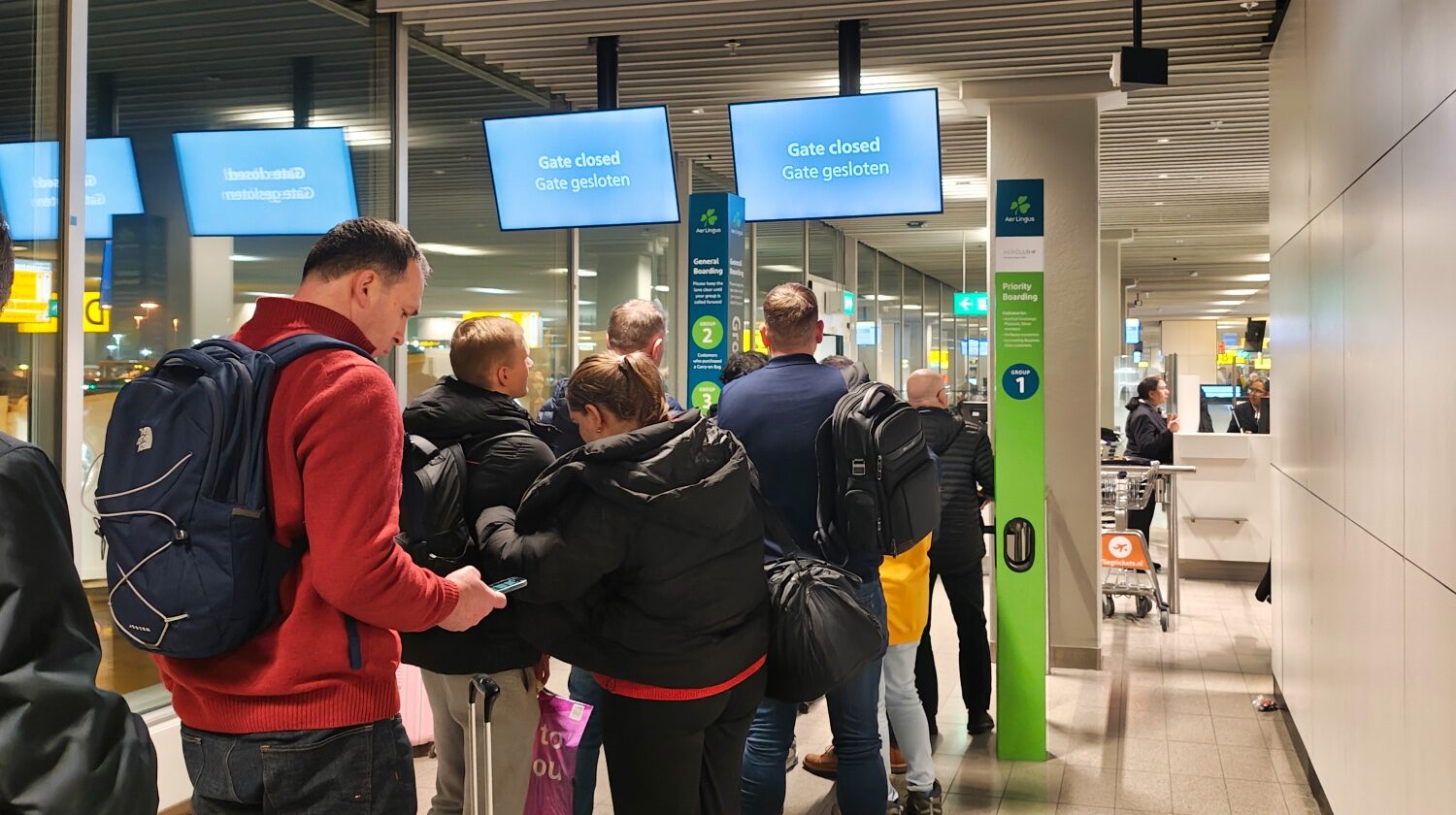
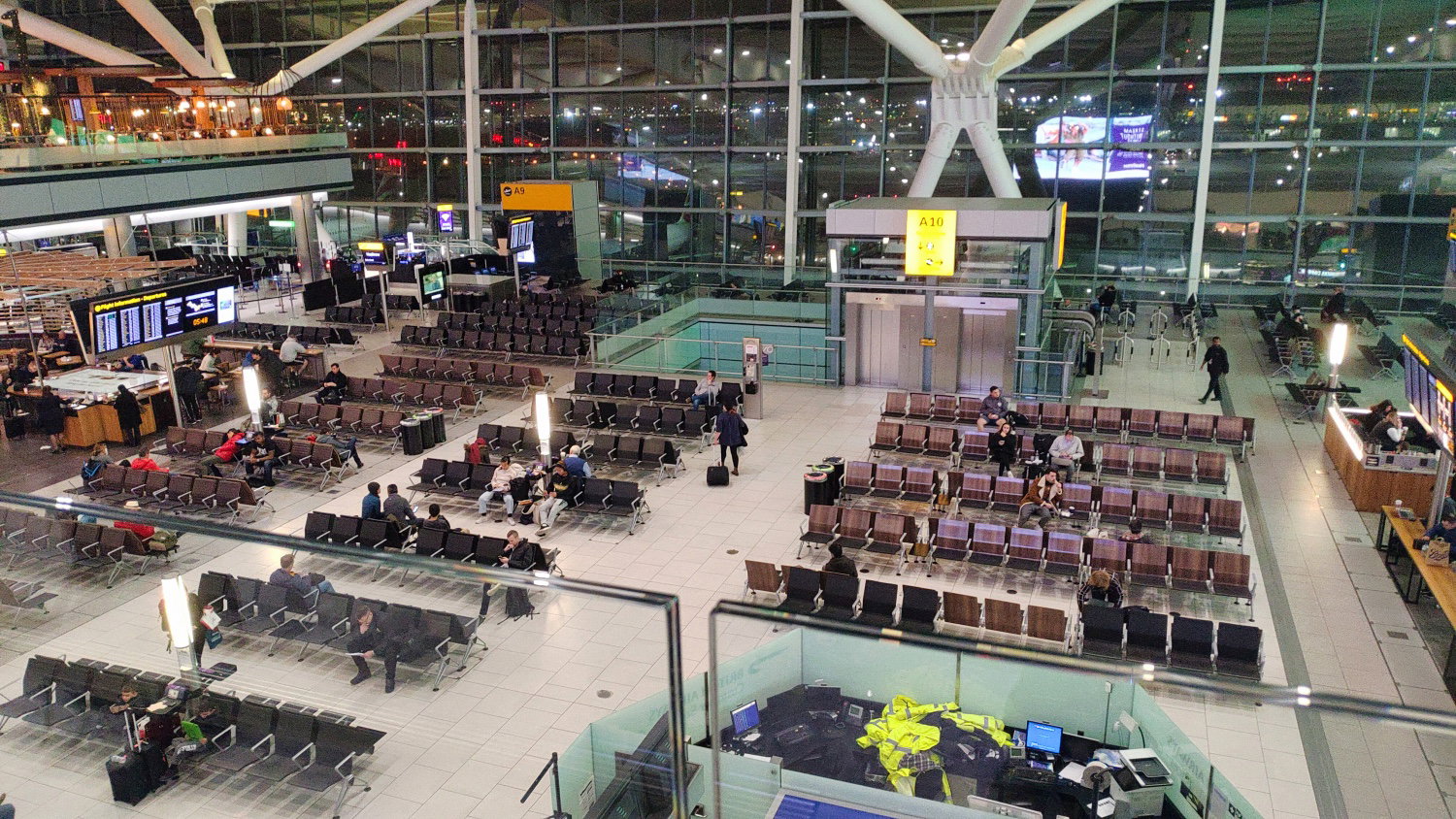
At the same time, expect security lines across Europe to get worse as there’s suddenly a significant uplift of hand luggage by volume generally, but also in terms of individual size; those of us today taking a small backpack will be far more greatly incentivised to just bring along a ‘free’ 7kg rollaboard or much larger backpack anyway, so why not? Imagine the effects of that increase on already congested security points at airports. On the bright side, there’ll never be a better time for airports to start more strongly merchandising their fast track offerings.
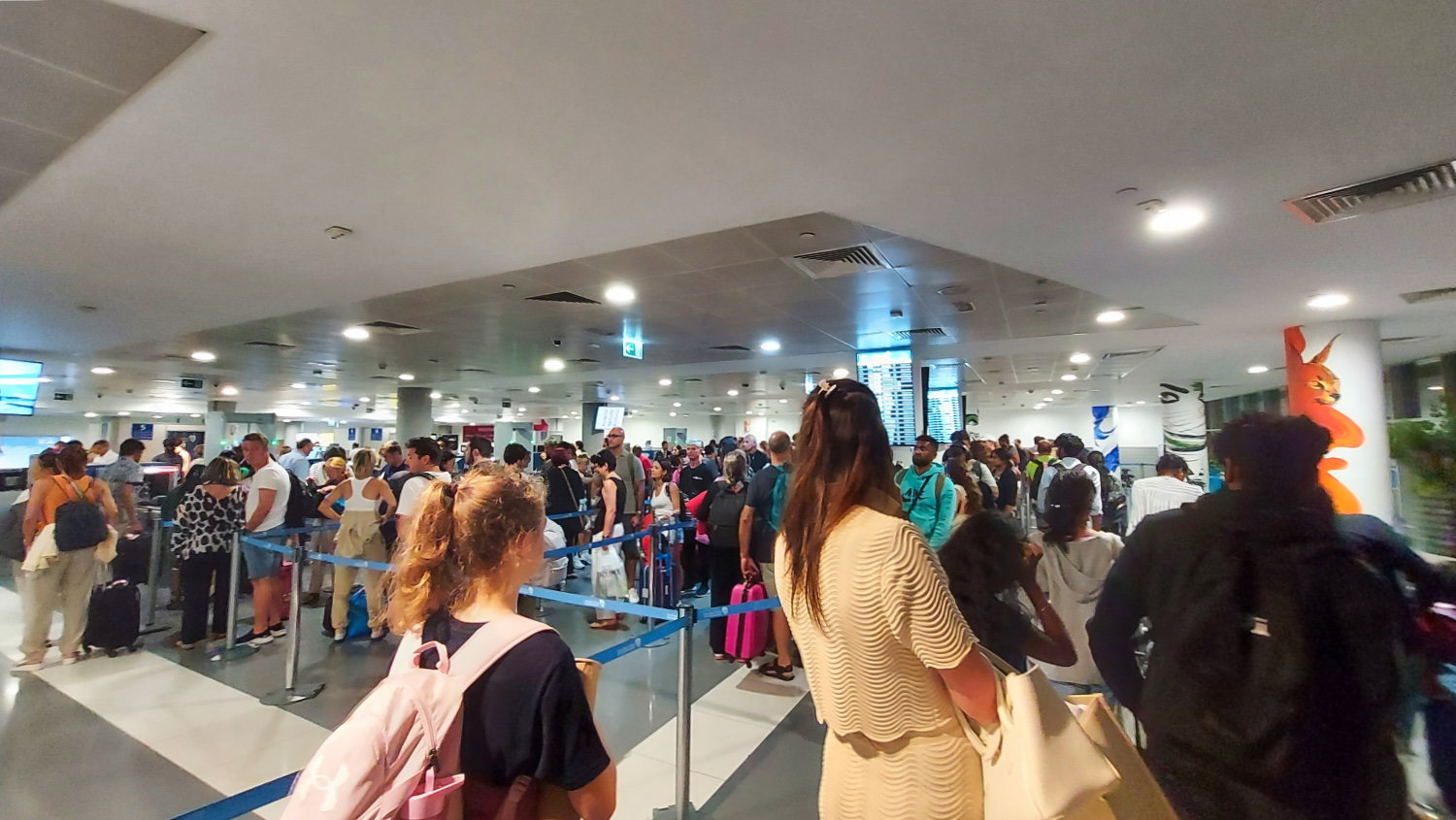
Waters Down Loyalty Benefits
For frequent flyers, often big spenders with particular airlines and their alliances, this further dilutes some of the key benefits across a number of dimensions. Aer Lingus, for example, includes a free 10kg checked bag for all passengers, but those on ‘Saver’ fares have to check it in rather than take it as hand luggage; while AerClub tiered members can always take it on-board, regardless of fare. Now, everyone will be able to anyway, so what is the difference? An extra 3kg? How airlines handle these edge cases will result in either an increased benefit, or more likely, a watering down of the current benefit.
At the same time, this will make actually using priority boarding almost essential for frequent flyers – in order to be guaranteed space to stow hand luggage before the rest of the plane, and will make the mad dash to the plane off shuttle bus departure gates even more chaotic as everyone races to pile on, to hopefully find space for their luggage before there’s none left.
This Will Be Misinterpreted & Lead To Disputes
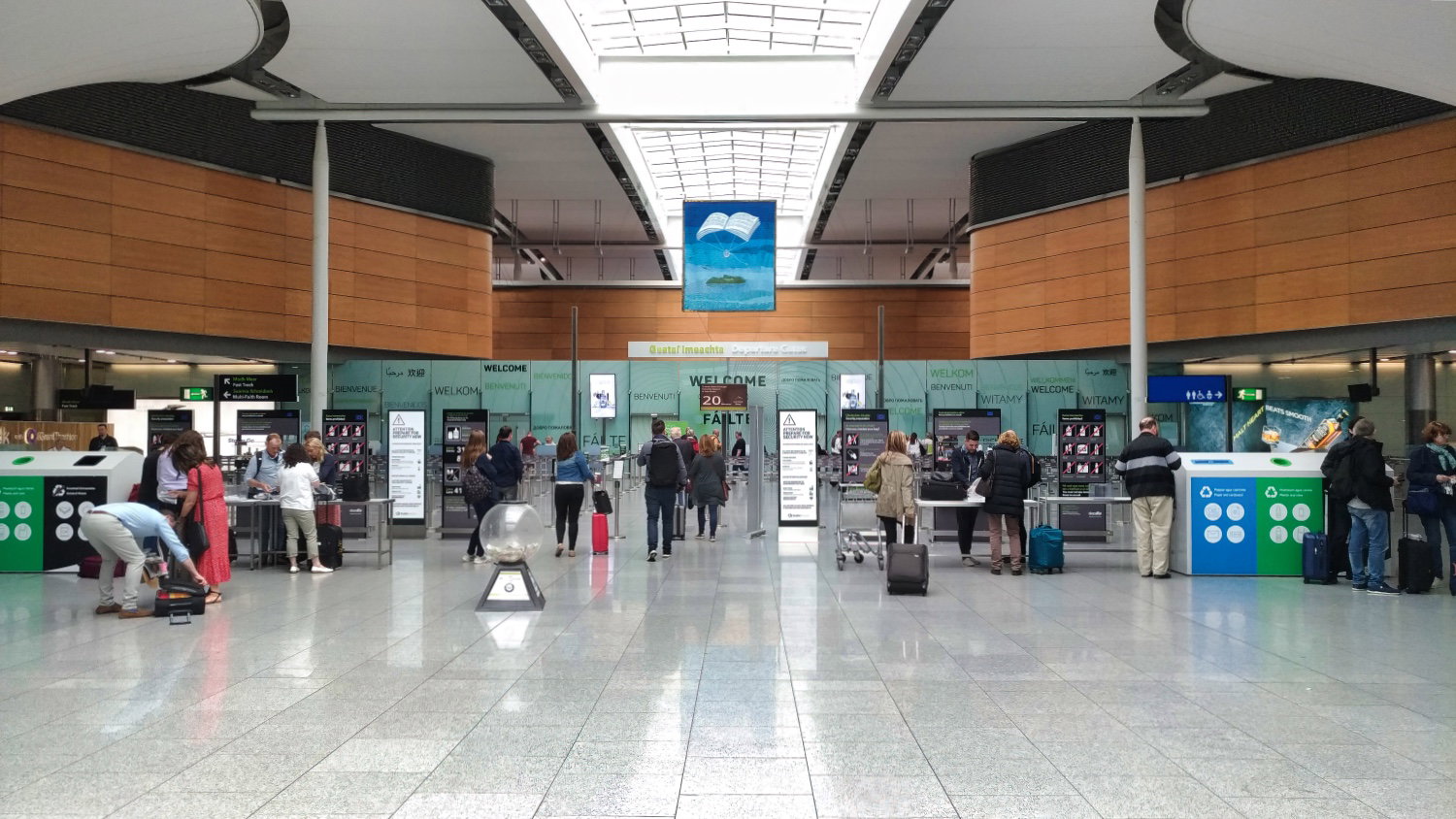
The rules, as they’re proposed, are to benefit ‘European travellers’, presumably to mean flights within Europe, or similar to the current EU261 compensation rules, flights departing from any point in Europe. The problem I have with this is, it’ll almost certainly lead to misinterpretations of the rules; I can’t count how many passengers I’ve come across already who struggle to understand say, liquid rules being one thing in one place, and one thing in another.
I’m imagining blurred line situations here, for example, where a family uses their included carry-on allowance to fly for a holiday to Turkey or Morocco, and then, being outside the EU, is penalised on the return home. Or travellers who take their hand luggage out of the EU to say, Asia, or the US, where the rules won’t apply. Localised rules are so often interpreted as global rules (wrongly, of course, but that doesn’t change the situation on the ground for affected passengers) – even EU261 continues to often cause confusion on say non-EU airlines returning to the EU from outside. In many ways, I find this change dangerous in setting a false expectation for EU travellers over where and when eligibility applies.

Conclusion
In theory, giving passengers a 7kg cabin bag sounds like an obvious consumer win. In reality, the more I think about it; airports and aircraft were designed around the assumption that not everyone brings a full-sized case onboard. Unless airlines suddenly find a way to create more overhead bin space, security line staffing is upsized appropriately, and eligibility rules are extremly clear and easy to understand, Europe's new rules risk creating exactly the thing travellers hate most: slower boarding, longer queues, inconsistency, and more conflict at the gate.